DIU seeking ‘near-term’ power-beaming satellite demo
The goal of the new project is to field an operational capability for space-to-space and space-to-ground power beaming by 2030, according to the Defense Innovation Unit call to industry.
The goal of the new project is to field an operational capability for space-to-space and space-to-ground power beaming by 2030, according to the Defense Innovation Unit call to industry.
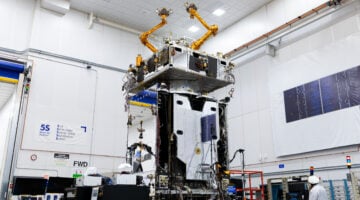
The Robotic Servicing of Geosynchronous Satellites mission, a partnership between DARPA and Northrop Grumman, will result in the first US on-orbit servicing capability, according to company officials.


Decentralized Embodied Collaborative intelligence enables better reconnaissance, logistics and combat capabilities.

Pulsar-based PNT could be used in cislunar space — where the Space Force already is eyeing future operations — or farther out into the solar system where GPS signals do not reach, explained Paul Ray, NRL's head of high energy astrophysics and applications.

The Experiment for Characterizing the Lower Ionosphere & Prediction of Sporadic-E (ECLIPSE) sensors are slated to launch to the ISS in March via the DoD Space Test Program, Andrew Nicholas, one of the effort's lead researchers, told Breaking Defense in an email.

"So, we have people doing things all the way from orbitology, to design, build, assemble, integrate, test, and then ultimately operate," said Steven Meier, director of the Naval Research Lab's Naval Center for Space Technology.

The two shoebox-sized CubeSats will each carry five miniature sensors, two provided by the Naval Research Lab and three by the UK Defence Science and Technology Lab.


Traditional thinking about how to protect facilities must adapt to new threats such as drones or downstream attacks.

Future satellite vendors will need to "show you can plug your WiFi into our WiFi and get a signal," says Space Development Agency Director Derek Tournear.
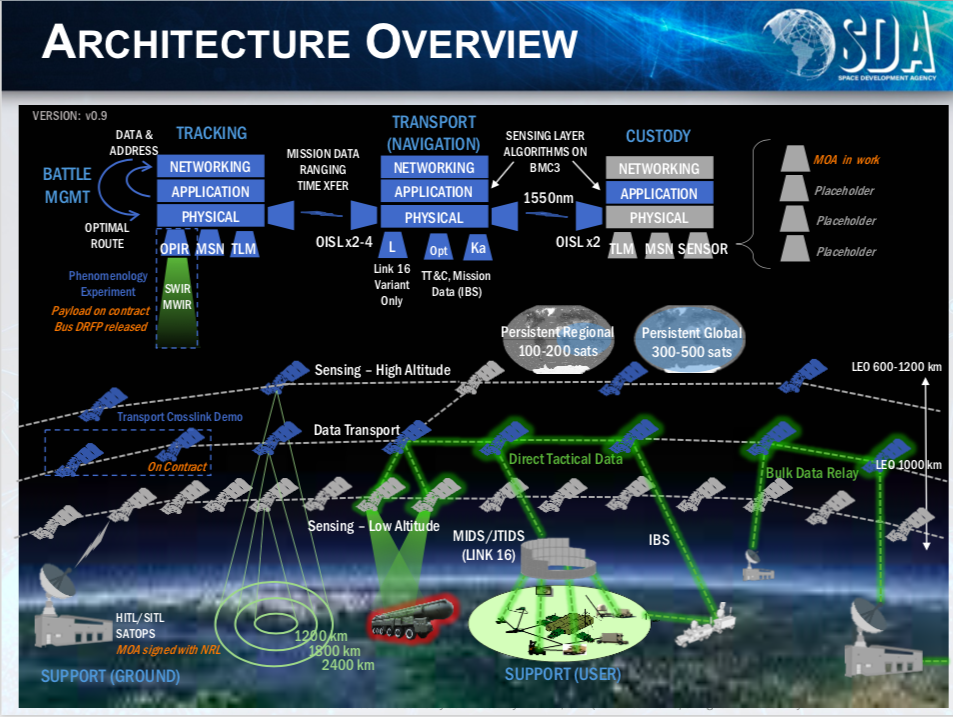
SDA Director Derek Tournear, and his boss Mike Griffin, want to delay SDA's integration with Space Force until after 2023.

From repelling bugs to protecting divers in dangerous waters, scientists are pushing the boundaries of biotech.
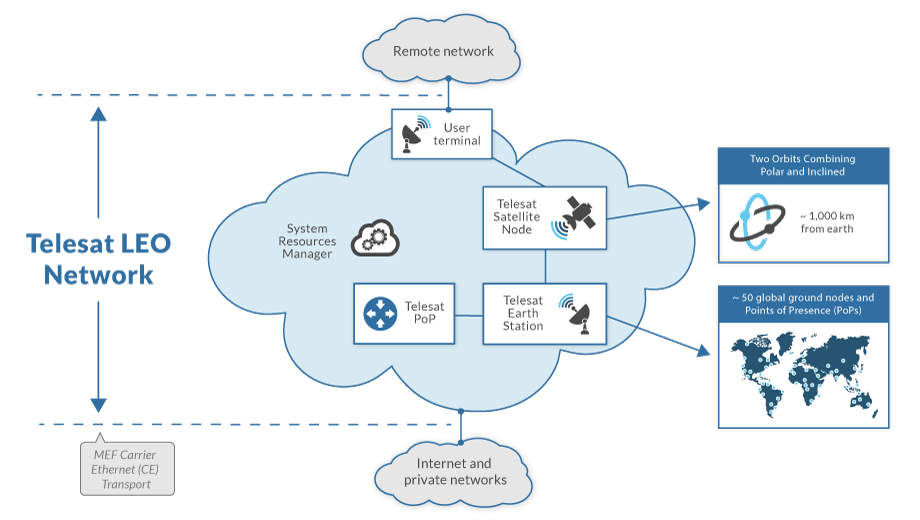
Nine years after the Pentagon tried and failed to build laser communications satellites, can the private sector get it done?


The goal of such weaponization is to tie warfighter needs to the RDT&E cycle.
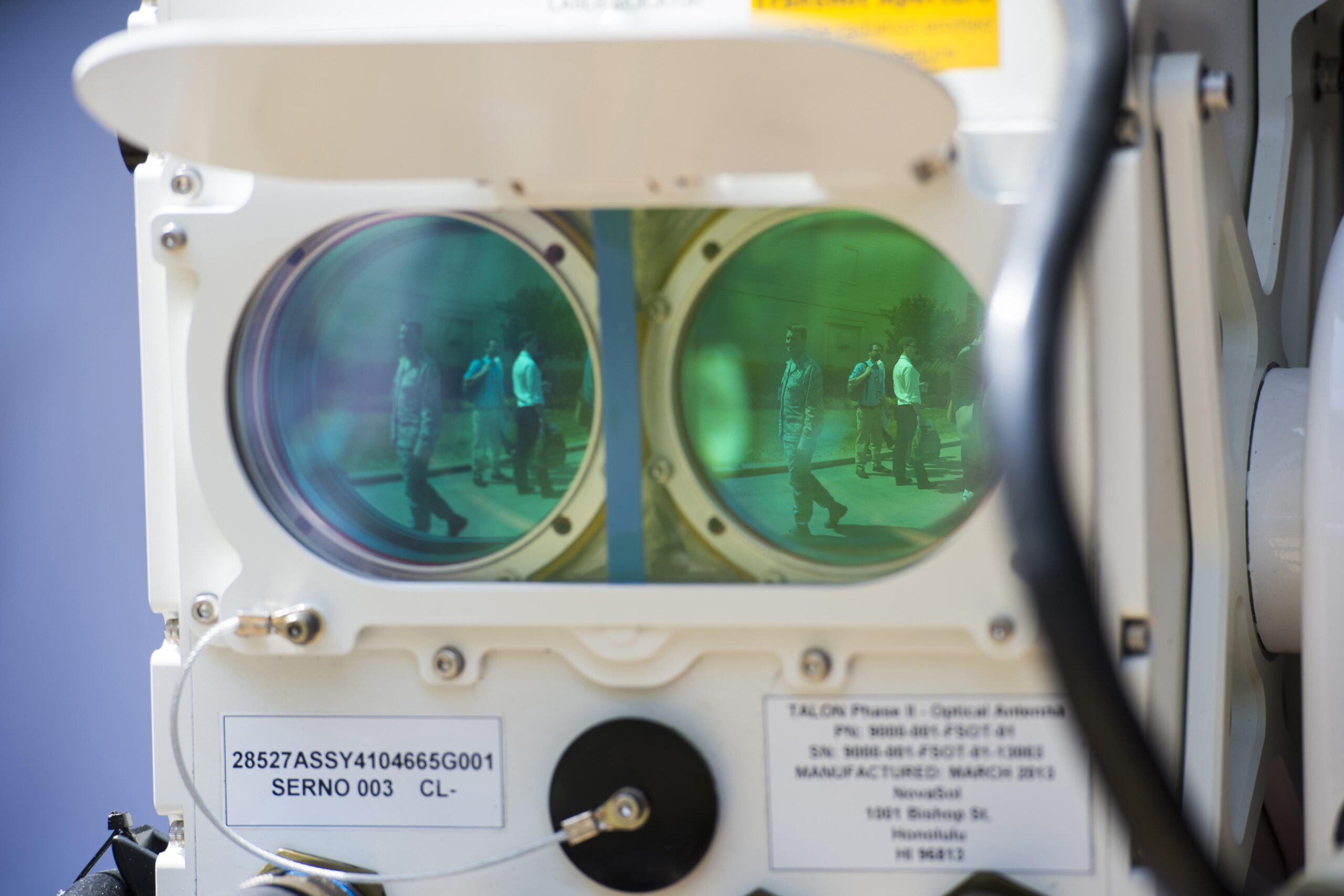
PENTAGON: Live by the radio, die by the radio — unless, maybe, you switch to lasers, which are much harder to detect and interfere with. That’s why the Defense Department recently awarded a three-year, $45 million grant to a tri-service project for a laser communications system. “This is basically fiber optic communications without the fiber,” […]

Concerned over increasingly reckless Chinese and Russian intercepts of US aircraft, Pacific Command says it urgently needs cameras on its planes to provide irrefutable proof of their misbehavior. The problem: reconnaissance planes like the propeller-driven P-3 Orion and the new jet-powered P-8 Poseidon are designed to take photos of the land and sea far below, not of […]

WASHINGTON: The Navy is crafting a battle plan to retake control of the electromagnetic spectrum, which the Pentagon’s chief of research says we’ve lost. First of all, if adversaries can exploit rapid advances in commercial electronics to run circles around America’s multi-billion dollar arsenal, our slow-moving procurement process needs to be more open to civilian innovation. […]

WASHINGTON: Imagine: tiny sensors built into military combat gear to detect chemical or biological weapons; unseen sensors peppered throughout a submarine to detect radiation leaks or chemical contamination of the crew’s precious air; a cellphone — think Star Trek tricorder, flip it open, open the app and bingo! — able to detect the gas of […]